
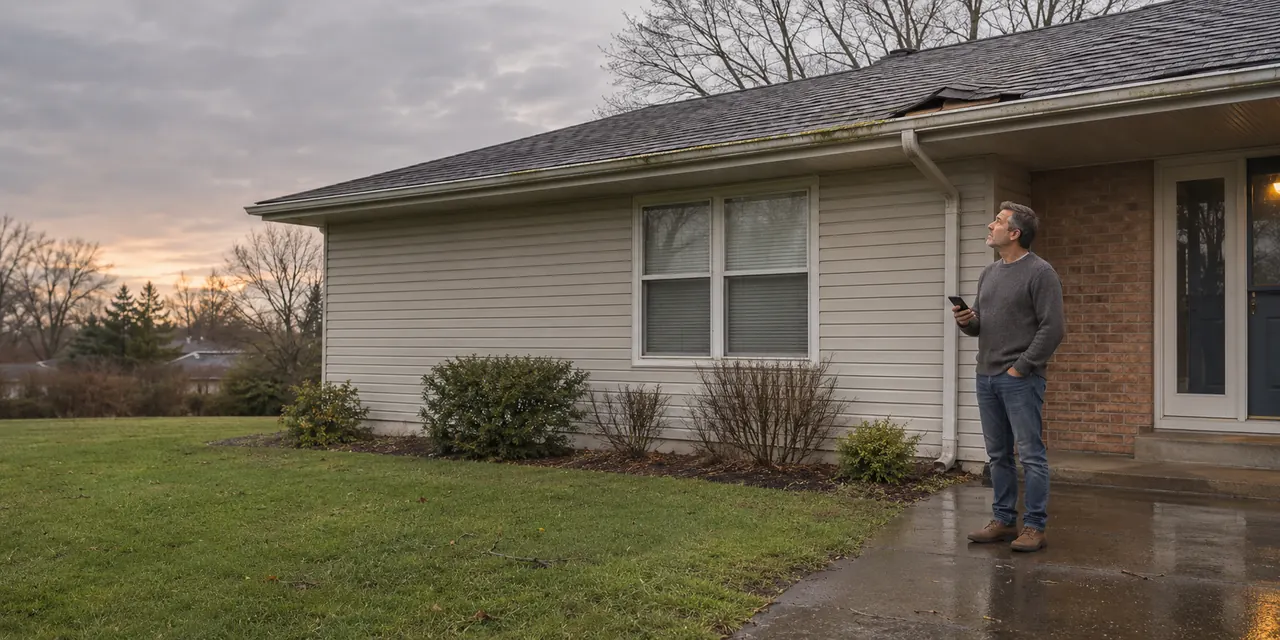
Residential emergency roof repair
Roof leaking or storm-damaged? Get connected to a local roofer.
Water through the ceiling, shingles in the yard, dents after hail. Roof Repair Line helps homeowners reach an independent roofing company that serves their area, so a professional can look at the damage and explain the options.
No number is listed yet. Once the phone line is active, you’ll be able to call from this page to be connected with an independent roofer who serves your area.
- One phone call, no forms
- Homes only, not commercial
- You decide who to hire
Roof problems
What’s happening with your roof?
Pick the situation that sounds closest. Each guide explains what the signs mean, what to do safely right now, and what a roofer will look at.
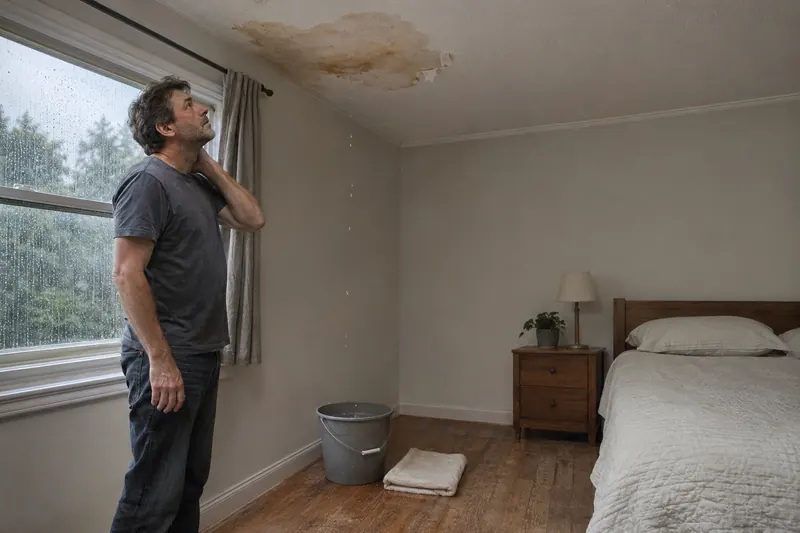
Roof leaks
Dripping water, a stain that keeps growing, or damp insulation. Leaks often start at flashing, vents, valleys, or damaged shingles.
Roof leak repair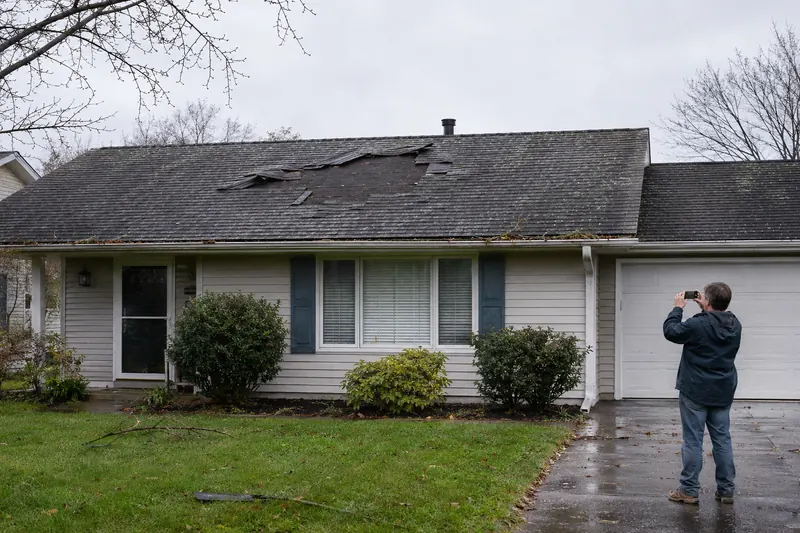
Storm and wind damage
Missing, lifted, or creased shingles, debris on the roof, or an exposed area after high winds.
Storm damage repair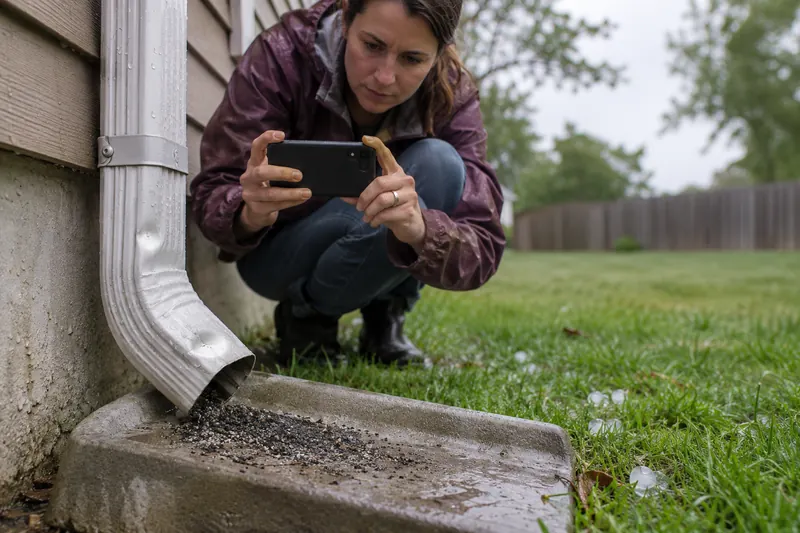
Hail damage
Dented gutters or vents and granules at the downspout are clues. Much hail damage can’t be seen from the ground.
Hail damage repair- Water is actively coming into the house
- Part of the roof is open or exposed after a storm
- A tree limb or debris has hit the roof
- A ceiling is sagging or bulging from trapped water
Not sure? A roofer can tell you whether it needs attention right away or can be scheduled. If anyone is in immediate danger, call 911.

How it works
One call instead of a dozen searches
Here’s what happens when the phone line is active.
Call the number on this page
Have your address or ZIP code handy. You can call from the phone you’re reading this on.
Your call is routed
A call-routing service directs the call to a participating independent roofing company for your area, when one is available.
Talk with the roofer directly
Describe the problem, ask about timing and how they work, and decide whether to set up a visit.
Roof Repair Line doesn’t set prices, schedule work, or guarantee that a provider will be available. See exactly who does what.
While you wait
Stay safe first, then protect the house
Leave anything on or near the roof to professionals. These steps come from public safety sources.
Stay off the roof and ladders
Wet, damaged roofs are slippery. OSHA warns that anyone six feet or more above a lower level is at risk of serious injury or death from a fall. [1]
Keep away from downed lines
Assume any downed power line is live. Stay at least 35 feet away, keep others back, and call 911. [2]
Water and electricity don’t mix
Don’t touch electrical equipment if it’s wet or you’re standing in water. Turn off power only if it’s safe to do so. [3]
Contain water from inside
Move valuables away from drips, set out buckets and towels, and keep everyone out from under a ceiling that sags.
Take photos from a safe spot
Photograph damage from the ground or indoors, and note when the storm or leak started. It helps the roofer and your insurer.
Keep receipts
Save receipts for anything you spend protecting your home. Your insurer may ask for them if you file a claim.
Be ready
Before you call
A few details make the first conversation faster and more useful.
Helpful to have ready
- Your address or ZIP code
- What happened and when (storm, wind, hail, or a new leak)
- Where water is coming in, if anything is leaking
- Your roof type if you know it (asphalt shingle, tile, metal)
- Photos taken safely from the ground or indoors
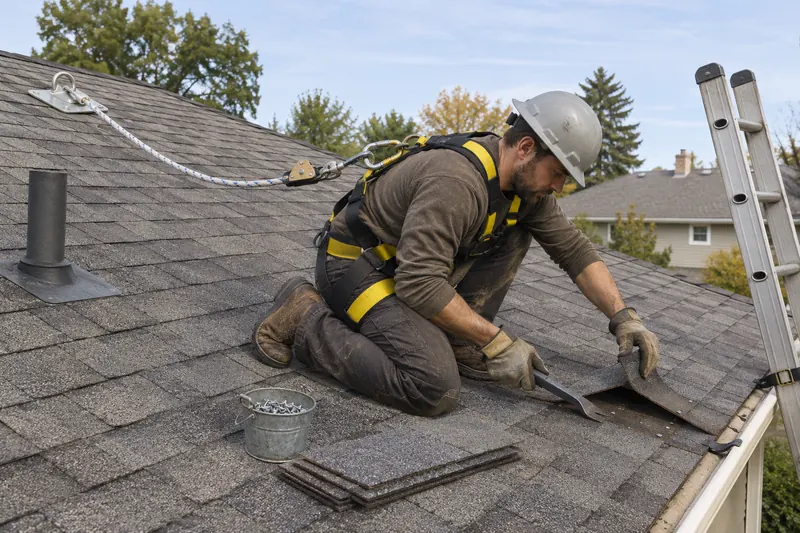
What a roofer may look at
- Where a leak starts, or how far storm or hail damage goes
- Whether temporary protection is needed before a permanent repair
- Repair options, materials, and timing
- Whether repair or replacement makes more sense
- Any permits or local rules that apply
Before you hire
Choose a roofer carefully, even in a hurry
Every roofer you speak with is independent. FTC consumer guidance suggests:
- Confirm the contractor’s license and insurance.
- Get a written contract and read it before work starts.
- Don’t pay for everything up front. Never pay in cash, by wire, or with gift cards.
- Never sign your insurance check over to a contractor.
- Make the final payment only when the work is done and you’re satisfied.
Source: FTC [4]
Local guides
Local rules for homeowners in these cities
City guides explain safe first steps plus the state and city rules on permits, licenses, and insurance-related contracts. Coverage for calls still depends on your ZIP code.
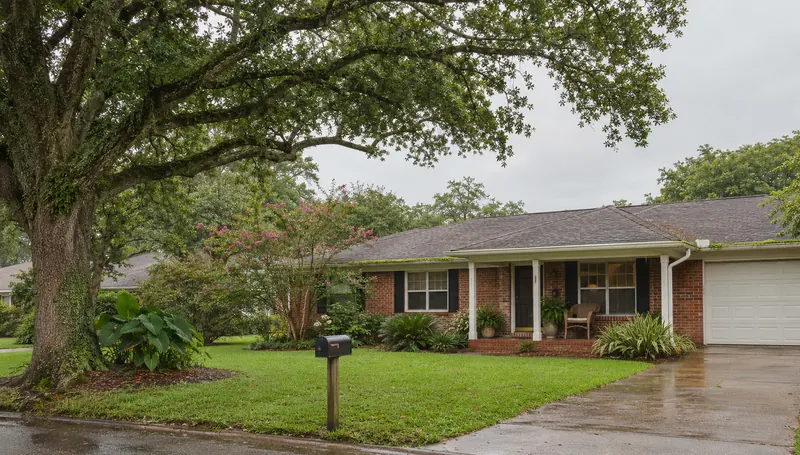
Houston, TX
Texas rules on deductibles, contracts, and adjusters.
Local guide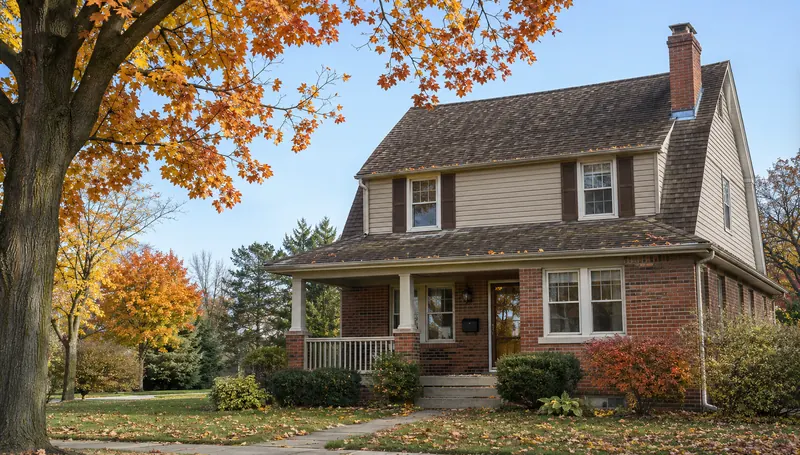
Kansas City, MO
When KCMO requires a permit and which licenses apply.
Local guide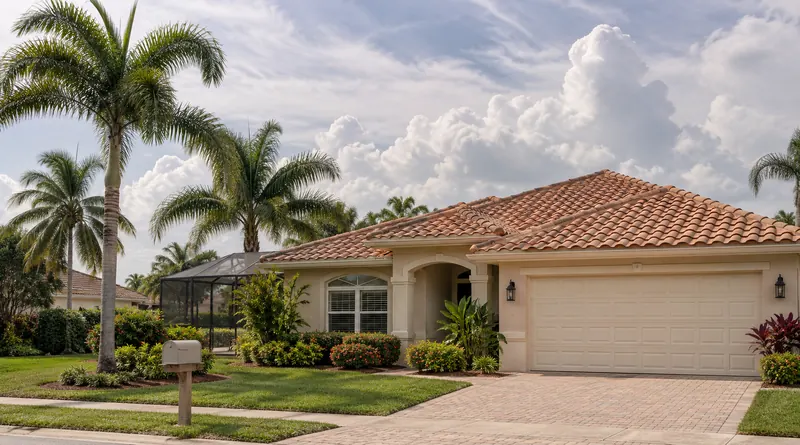
Tampa, FL
Florida licensing, itemized estimates, and claim rules.
Local guide
Charlotte, NC
The NC license threshold and Mecklenburg County permits.
Local guide
Insurance
Wondering if insurance covers it?
Roof Repair Line can’t tell you what your policy covers, and doesn’t handle claims. What it can do is help you get organized.
- Why the cause of a leak matters (sudden damage vs. wear)
- What to document before cleaning up or repairing
- Questions to ask your insurer or agent
- What to watch for when a contractor offers to help with a claim
Where and when this service is available
Calls are connected in areas where participating roofing companies accept them. Coverage varies by ZIP code, and not every U.S. location is served.
Fewer providers may be available at night, on weekends, or right after a major storm. Roof Repair Line can’t guarantee that a roofer will be available, how soon anyone can come out, or the result of any repair.
A note about insurance
Coverage depends on your policy and the cause of the damage. Check your policy and contact your insurer or agent. Your state’s department of insurance also publishes consumer information.
FAQ
Common questions
Is Roof Repair Line a roofing company?
No. Roof Repair Line is a referral service. When the phone line is active, a call is connected to an independent roofing company that serves your area. That company, not Roof Repair Line, inspects the roof, quotes the work, and does any repair you agree to.
Does it cost anything to use this service?
There’s no charge for the referral. If you hire a roofer, you pay that company directly for its work, at a price you agree on with them.
Do you cover my area?
Coverage depends on your ZIP code and on which roofing companies are taking calls at the time. Roof Repair Line doesn’t serve every U.S. location, so a connection can’t be promised everywhere.
Can someone come out today?
That depends on the roofer’s schedule, the weather, and demand in your area. Ask the company directly when you’re connected. Roof Repair Line can’t promise a response time.
Should I put a tarp on the roof myself?
Climbing onto a wet or damaged roof isn’t recommended. A roofer can tell you whether temporary protection, such as a tarp, is needed.
Do you work on commercial buildings?
No. Roof Repair Line is for residential roofs only.
Roof problem right now?
Once the phone line is active, you’ll be able to call from this page. Until then, the guides above cover safe next steps.
Sources
- OSHA — Fall Prevention Campaign
- Electrical Safety Foundation — Downed Power Line Safety
- Ready.gov — Floods (Staying Safe After a Flood)
- FTC — How To Avoid Scams After Weather Emergencies and Natural Disasters
Links open official or public sources in a new tab. Rules and guidance can change; check the source for the latest version.